Read the text version
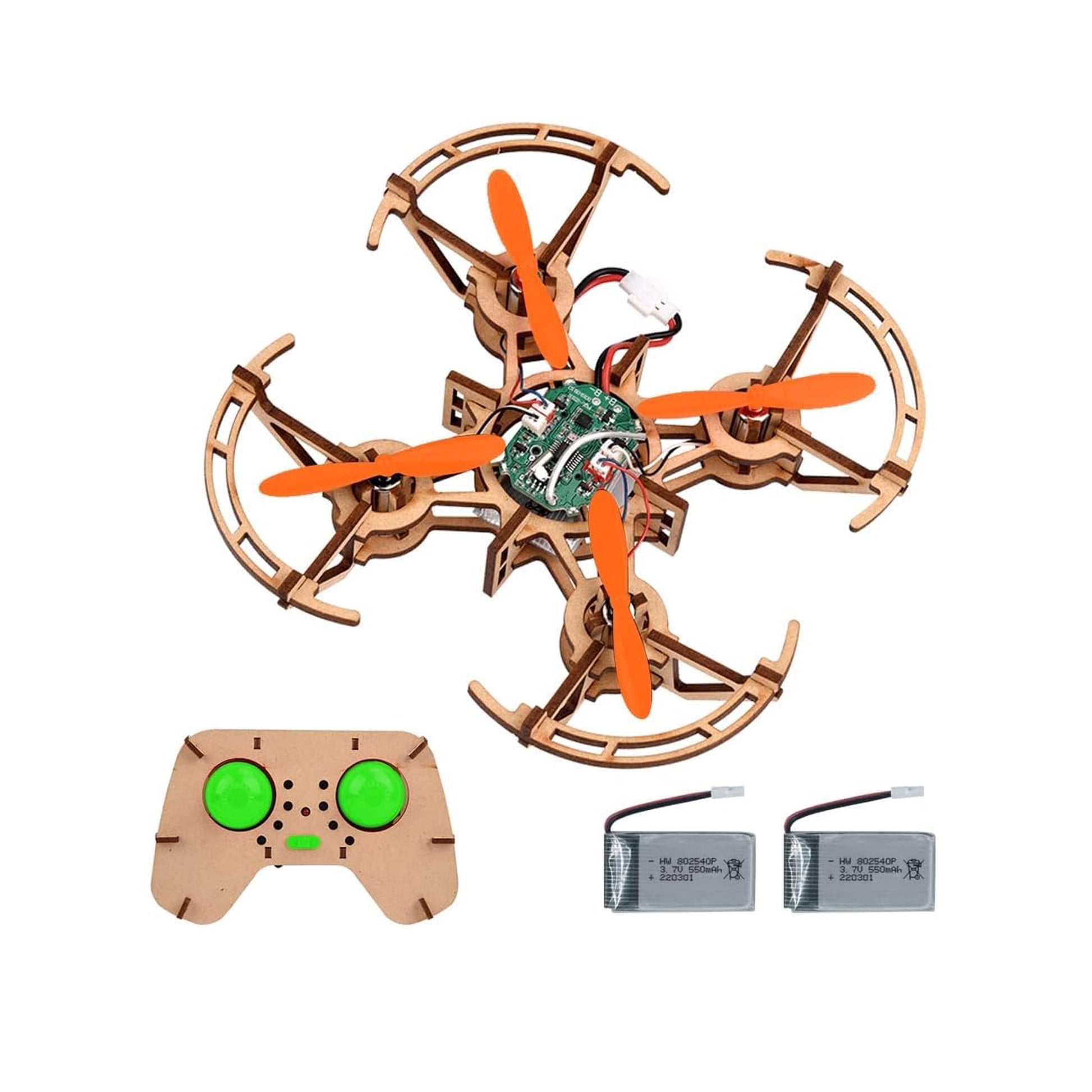
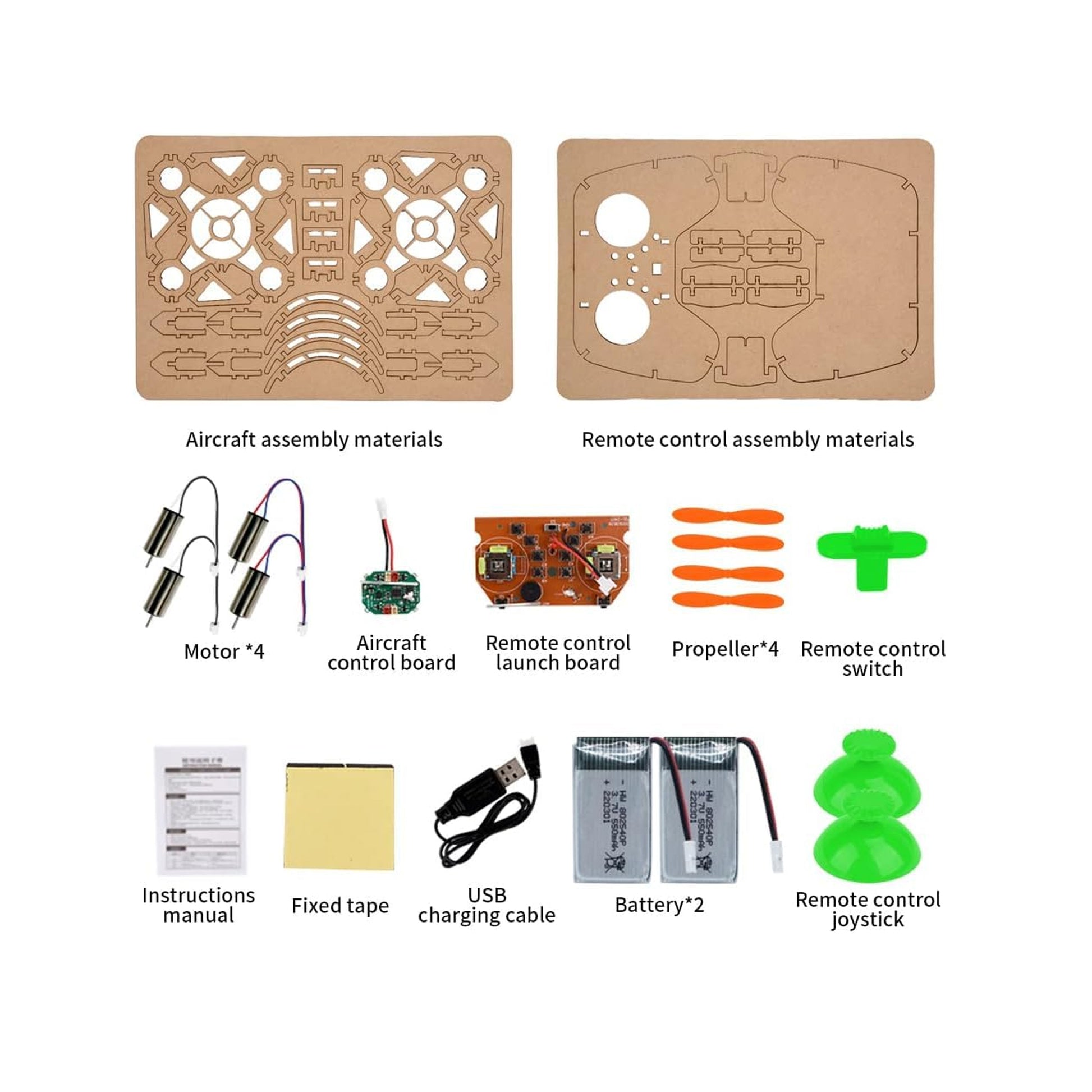
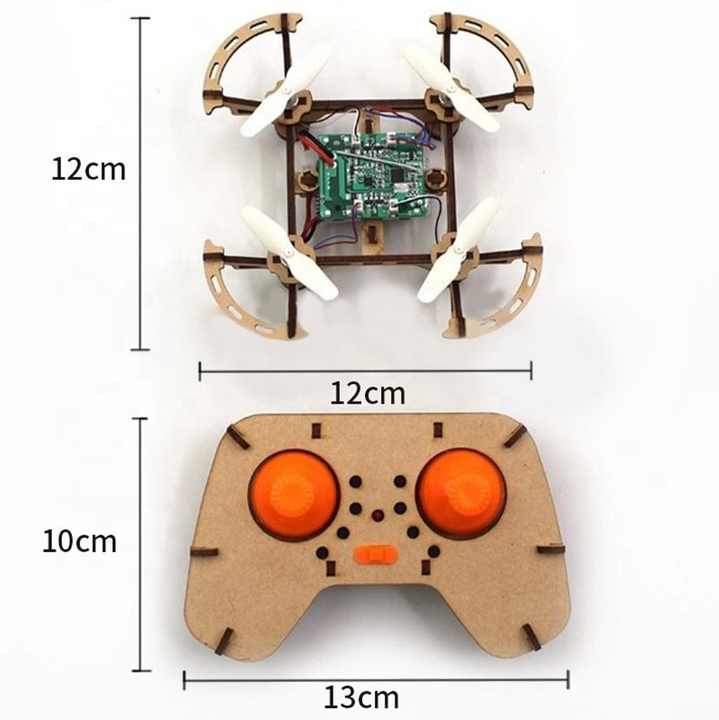
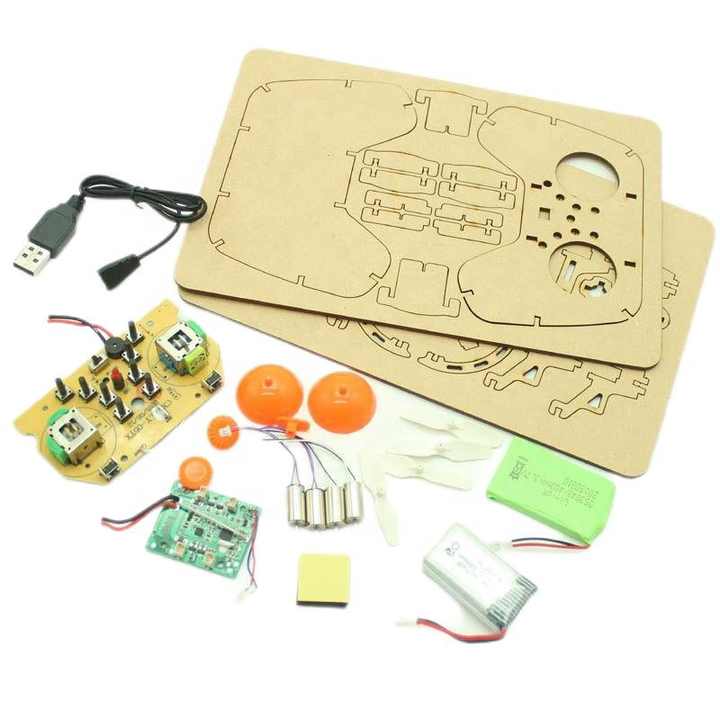
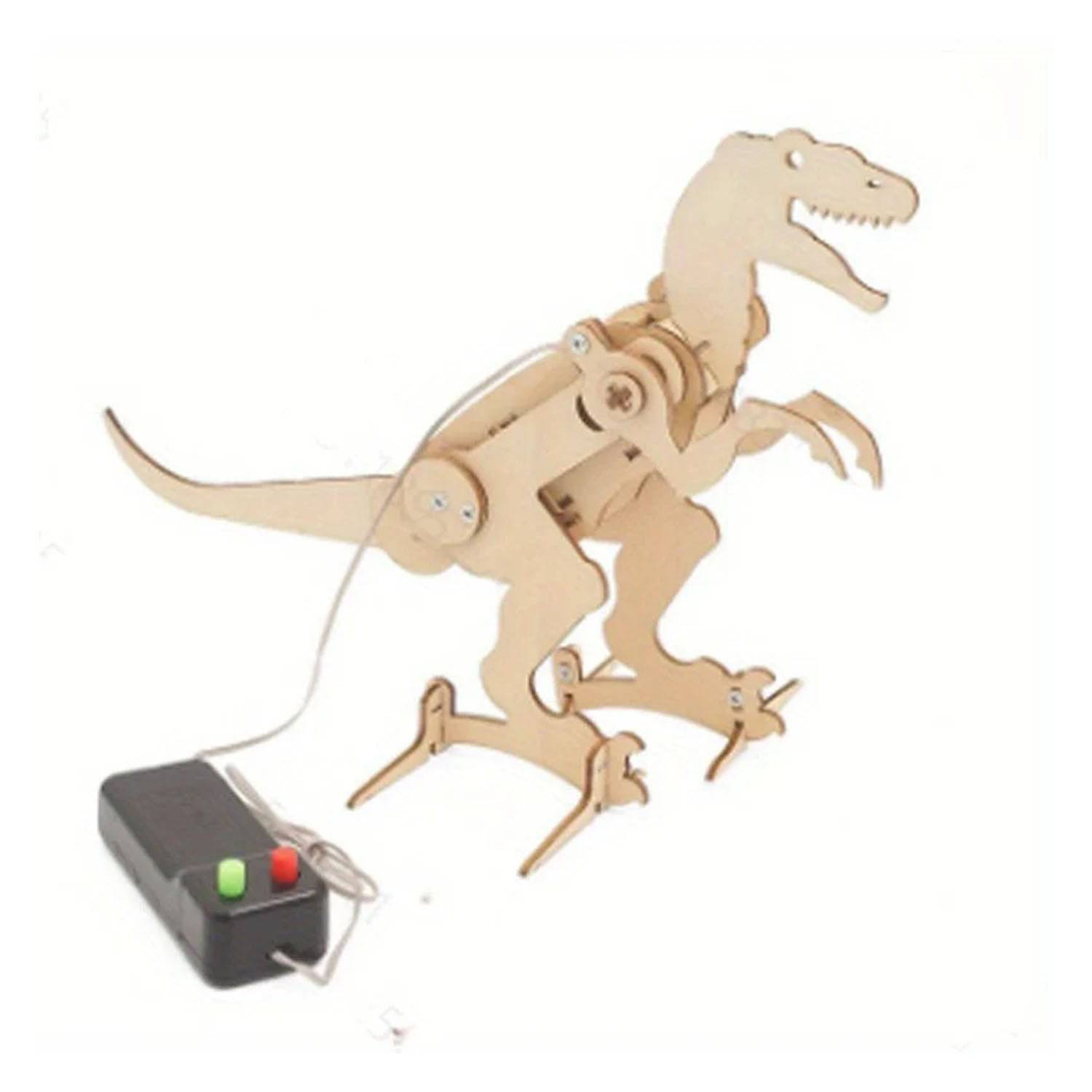
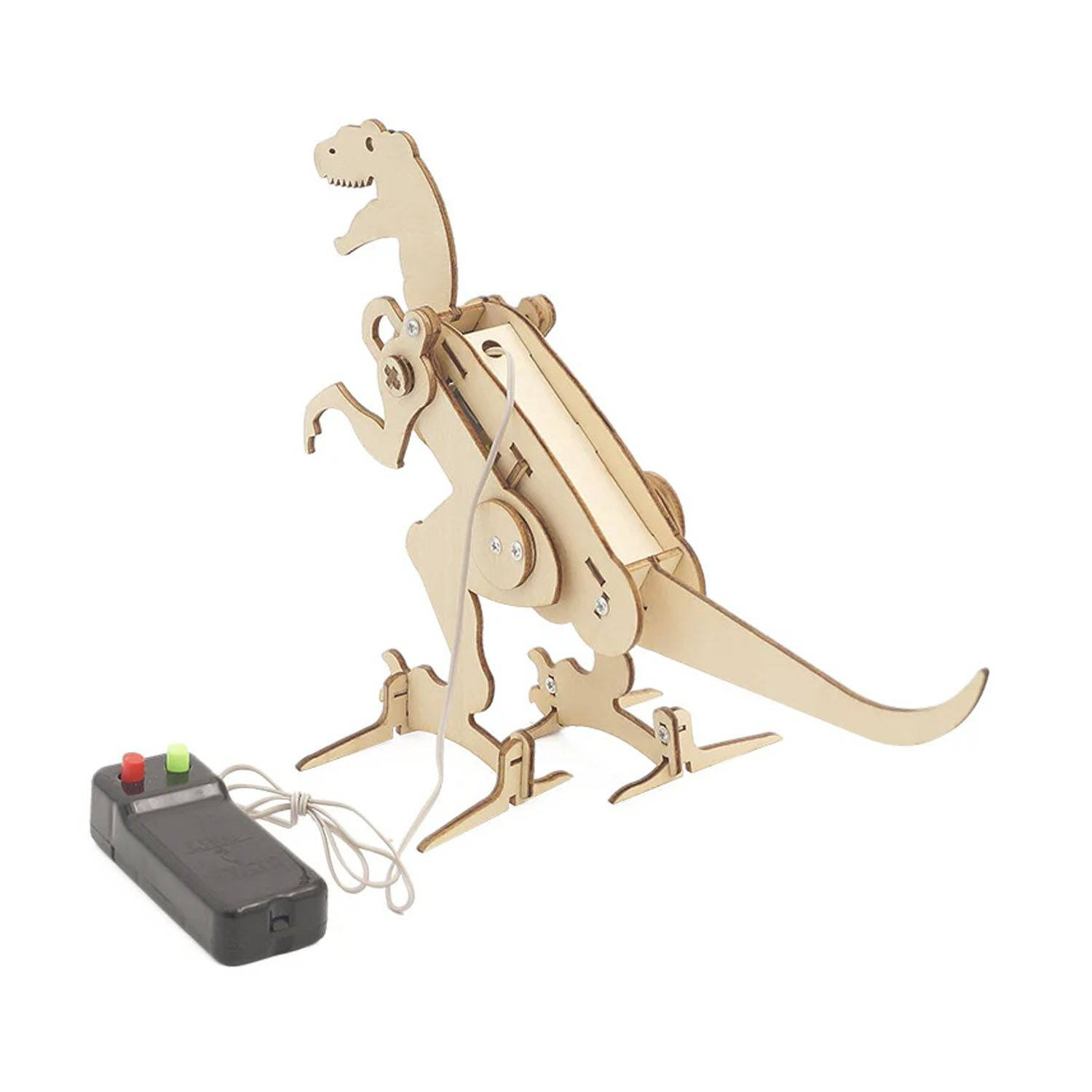
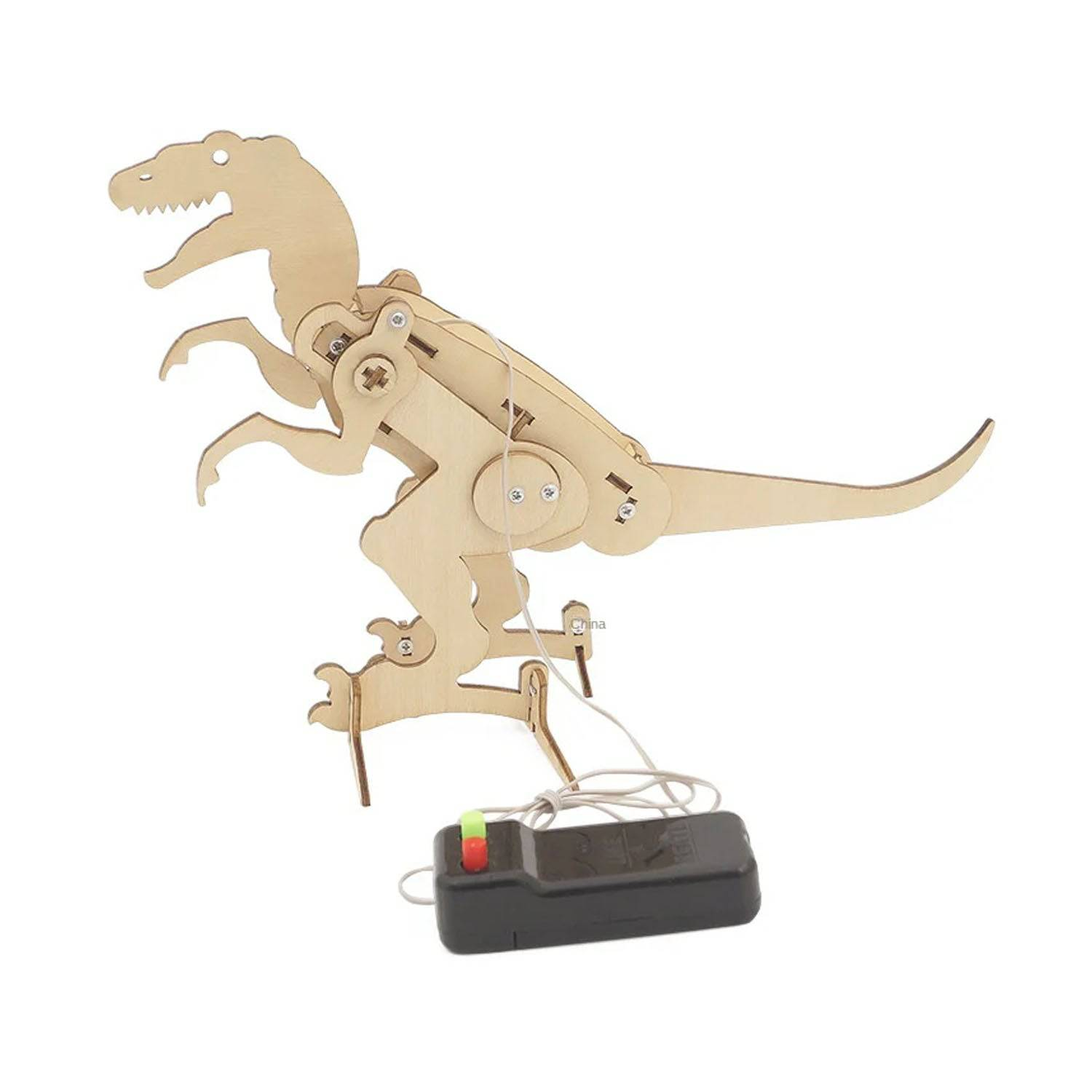
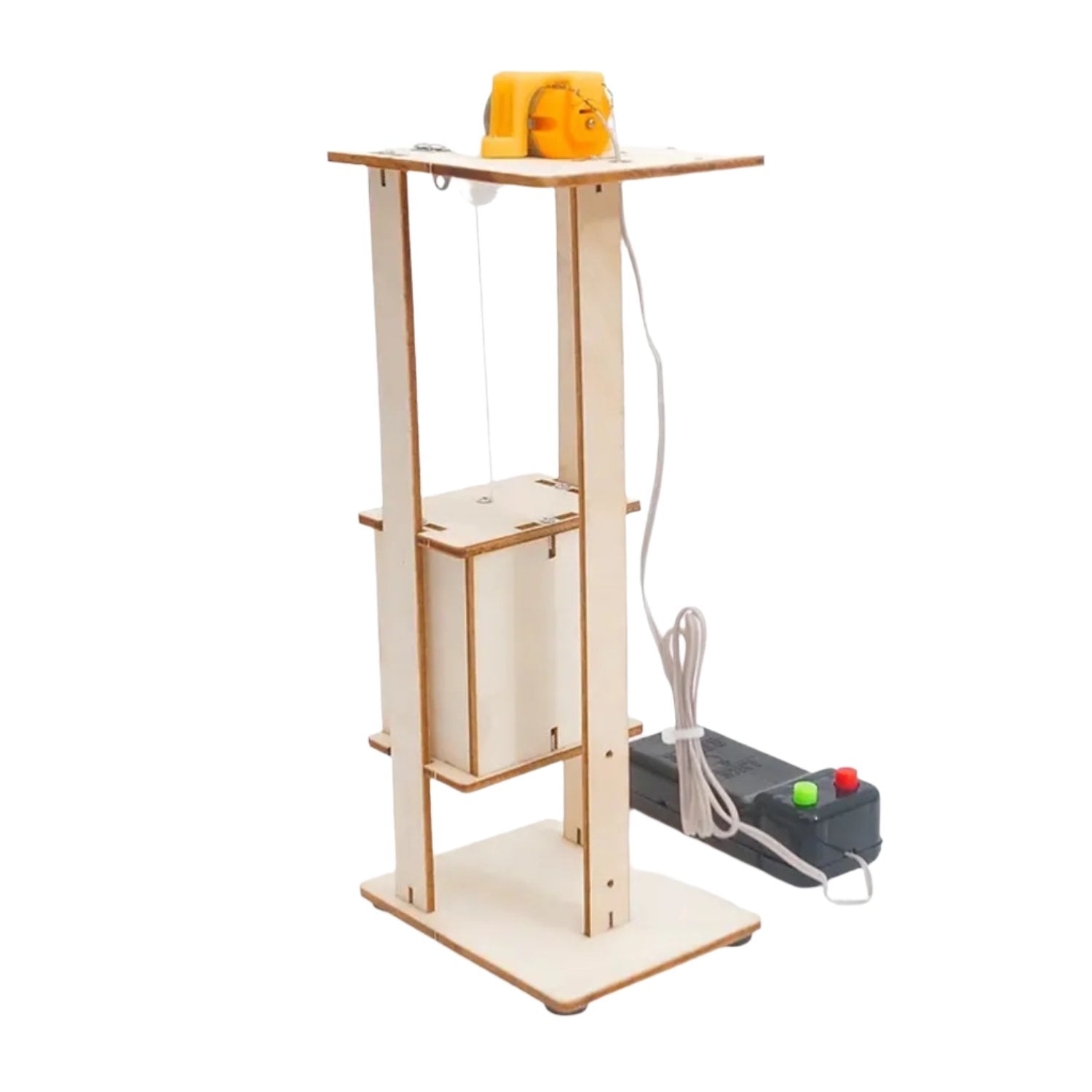
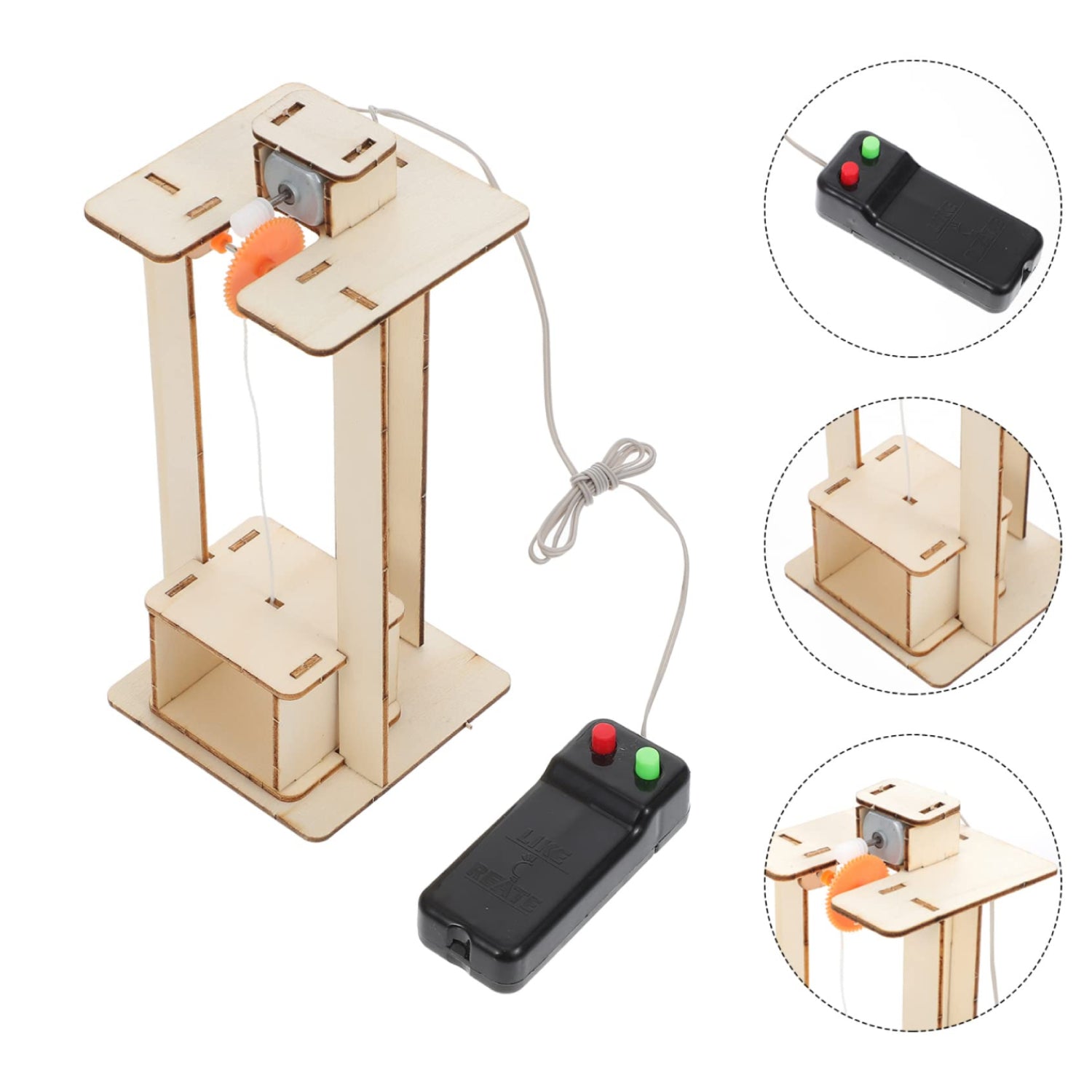
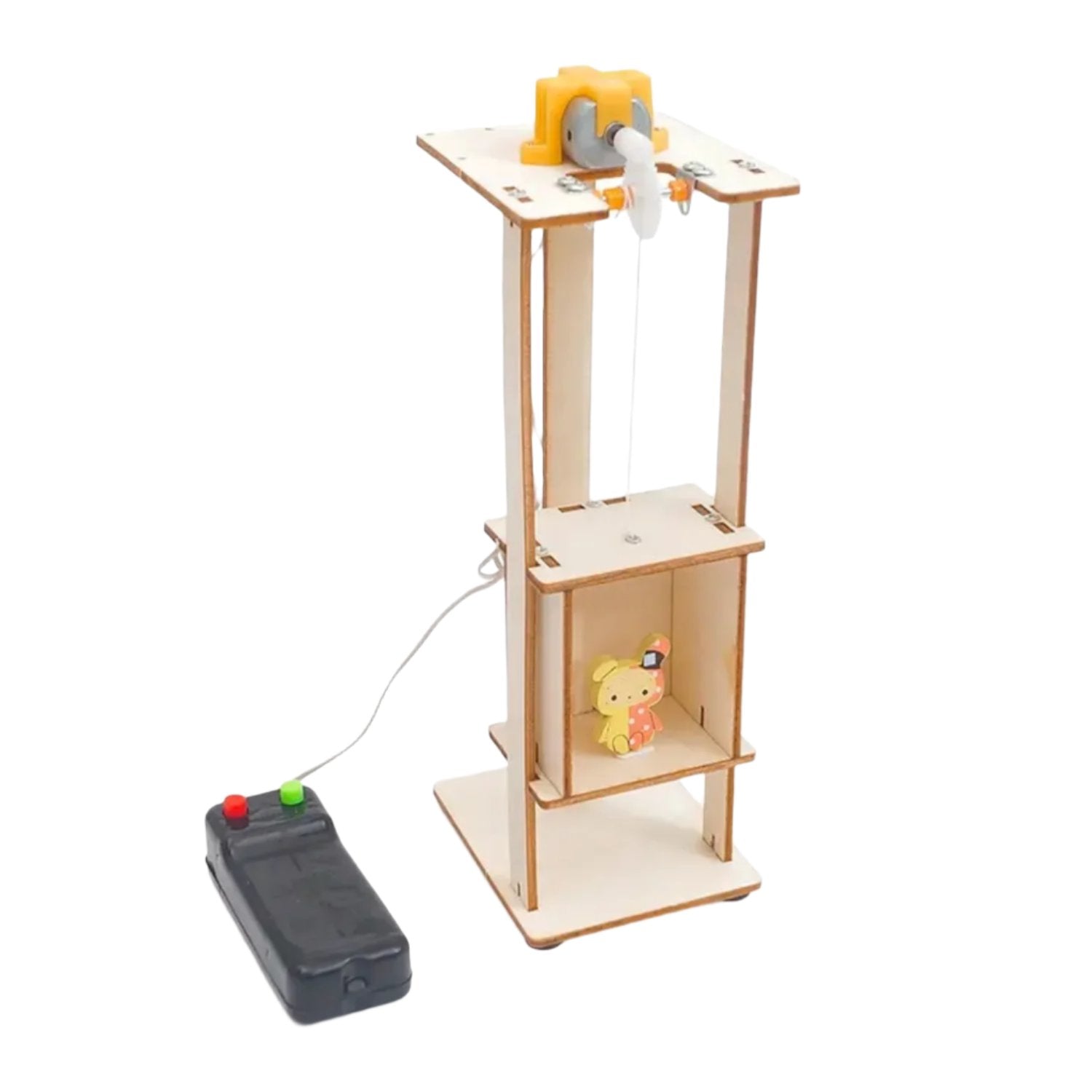
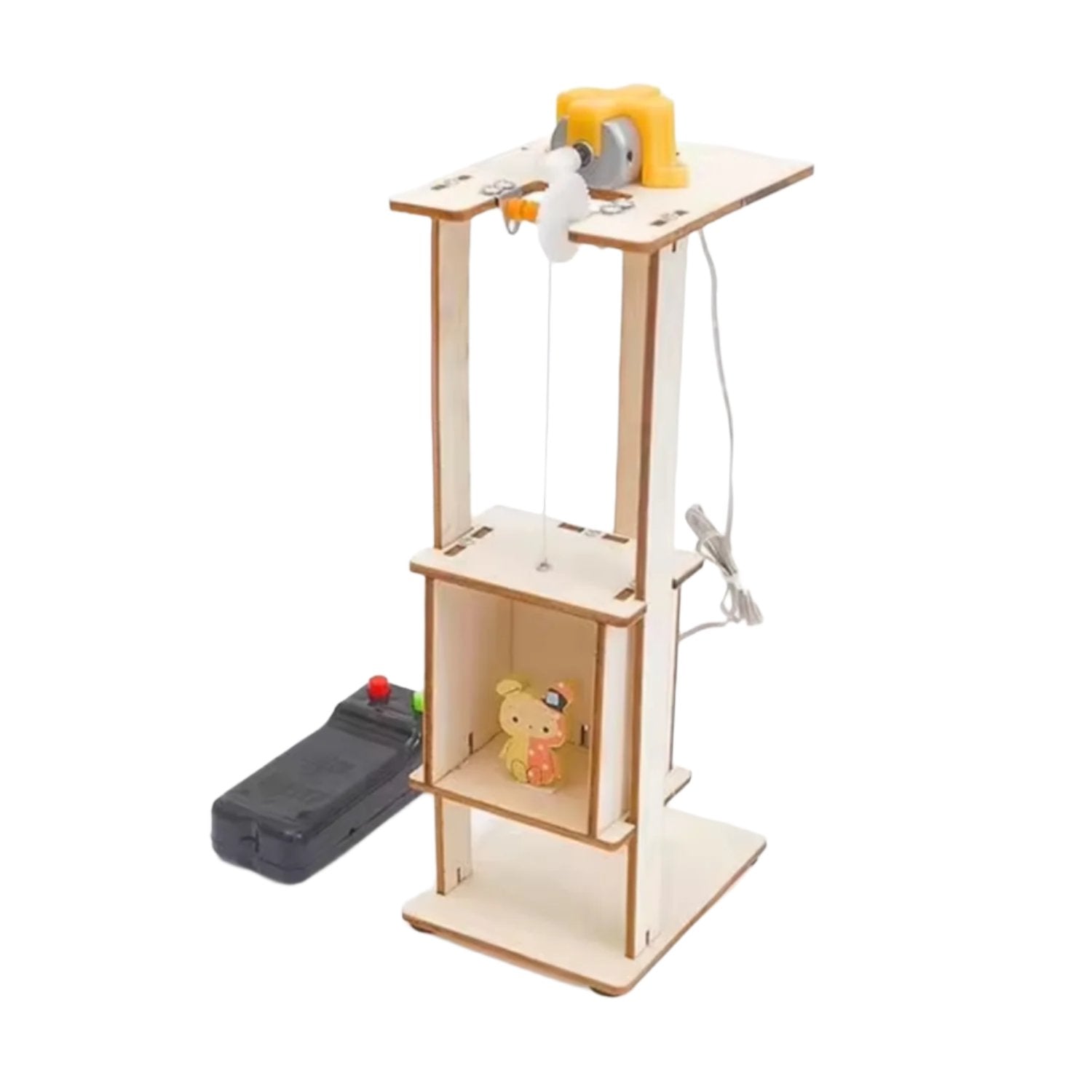
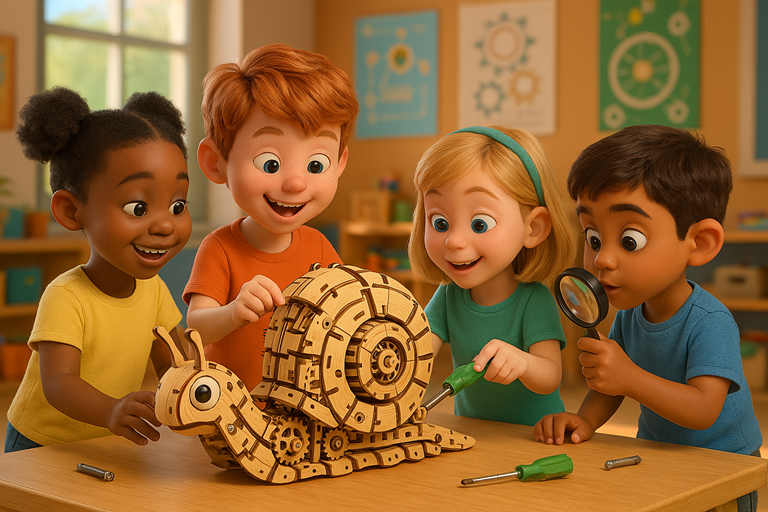
Why STEM Toys Are Smarter Than Your Average Teddy Bear 🧸🧪 An interactive exploration into the world of STEM and traditional toys, uncovering their unique benefits and the power of balanced play for holistic child development. The World of Play: Beyond Cuddles 🧸 The landscape of childhood play is transforming. While the teddy bear symbolizes comfort and imagination, a new era demands playthings that also foster critical skills for a complex world. This guide explores STEM toys, designed for Science, Technology, Engineering, and Math learning, and traditional toys, cherished for encouraging free play and social skills. We argue that true "smartness" in child development lies not in choosing one over the other, but in integrating both for comprehensive growth. STEM toys are intentionally designed to build future readiness through hands-on, inquiry-based learning. This contrasts with the often incidental learning from traditional play, reflecting a shift towards proactive skill development for an innovation-driven economy. This application will help you understand these distinctions and how to best support a child's journey. Spotlight on STEM Toys 💡 STEM (Science, Technology, Engineering, Mathematics) toys are more than just playthings; they are educational tools purposefully designed to engage children in activities that impart vital skills for future academic and professional success. Their core goal is to cultivate critical thinking and problem-solving within one or more STEM disciplines. This section explores what defines STEM toys, their various types, and the characteristics that make them effective developmental aids. Types of STEM Toys STEM toys target specific disciplines. Click on each category to learn more about its focus and examples: 🔬 Science Toys Experiment-oriented, sparking curiosity about cause-and-effect. Focus: Hands-on exploration of the natural world, understanding scientific principles. Examples: Chemistry sets, biology kits, microscopes, nature exploration tools. Skills: Observation, hypothesizing, experimentation, analytical thinking. 💻 Technology Toys Introducing coding, programming, and digital literacy. Focus: Foundational coding, robotics, circuitry, computational thinking. Examples: Interactive robots, coding apps, circuitry kits, programmable drones. Skills: Logical reasoning, problem-solving, digital literacy, sequencing. 🧱 Engineering Toys Focused on building, design, and architectural principles. Focus: Construction, design thinking, understanding structures and mechanisms. Examples: LEGOs, K'NEX, magnetic tiles, model building kits. Skills: Spatial reasoning, fine motor skills, problem-solving, creativity, planning. 🧮 Mathematics Toys Making math concepts tangible and fun. Focus: Practicing fundamental math skills through engaging, concrete tools. Examples: Abacuses, math games, pattern blocks, mini calculators, puzzles. Skills: Number sense, pattern recognition, logical thinking, problem-solving, counting. Key Characteristics of Effective STEM Toys Effective STEM toys share several core traits that amplify their developmental impact. Click each characteristic to see why it's important. The Timeless Charm of Traditional Toys ❤️ Traditional toys, often non-electronic and crafted from materials like wood or fabric, hold a classic, enduring appeal. These are the dolls, teddy bears, building blocks, and board games that have sparked joy and learning for generations. They are inherently designed for free play, allowing a child's imagination to take flight without predefined electronic prompts. This section delves into what defines these beloved playthings and their foundational role in development. Examples include dolls, teddy bears, play kitchens, wooden building blocks, classic board games, and outdoor equipment like bicycles or jump ropes. They encourage imaginative scenarios, role-playing, storytelling, and active physical engagement, providing a canvas for a child's inner world to unfold. The STEM Advantage: Building Future Skills 🚀 STEM toys are engineered to give children a distinct cognitive edge, equipping them with skills essential for the 21st century. They go beyond simple play by presenting challenges that require analytical thought, strategic planning, and logical reasoning. This section highlights how these toys cultivate critical thinking, ignite curiosity, build engineering and tech skills, and ultimately prepare children for future complexities. The Heart of Play: Traditional Toy Benefits 💖 While STEM toys offer targeted cognitive development, traditional toys are indispensable for nurturing a child's holistic growth, especially in creativity, social-emotional intelligence, and foundational life skills. Their open-ended nature allows for boundless imagination and rich interpersonal experiences. This section explores the profound and enduring benefits of traditional play. STEM vs. Traditional: A Closer Look 🧐 Both STEM and traditional toys offer significant developmental benefits, but they often contribute in different primary ways. This section provides a comparative overview based on various developmental areas. Click on each area to see how STEM and traditional toys uniquely support it. Developmental Area Click to Expand for Details The Balanced Play Diet: Synthesizing Play 🥗 The choice isn't STEM *or* traditional; it's STEM *and* traditional. Each toy type offers unique advantages, contributing to different facets of a child's growth. STEM toys excel in targeted cognitive skills, while traditional toys are paramount for creativity and social-emotional intelligence. A holistic approach, integrating both, is key for well-rounded development. ⚖️ The "Play Diet" Concept Think of it like a nutritional diet: a child needs a variety of "play foods" for optimal development. This includes structured STEM activities, unstructured imaginative play, physical activity, social interaction, and emotional expression. This "play diet" strategically supports cognitive, emotional, social, and physical well-being, moving beyond the idea of one toy type being superior. Tailoring choices to a child's age, interests, and developmental stage ensures engagement and maximizes learning. The goal is a rich, varied play experience that nourishes all aspects of development. And remember, fun is fundamental! Children learn best when they are genuinely enjoying the process. Integrating both play types helps children develop not only "hard skills" (technical competencies) for future careers but also crucial "soft skills" (interpersonal, emotional, adaptive capabilities) for collaboration, resilience, and empathy. This holistic development truly prepares children for lifelong success. Parent & Educator Guide: Maximizing Play's Value 👨👩👧👦 To unlock the full educational potential of play, adults can adopt a facilitative role, creating an environment that encourages exploration, critical thinking, and holistic development. Here are some recommendations: Conclusion: Smarter Play for a Brighter Future ✨ STEM toys are indeed "smarter" due to their intentional design for cultivating critical 21st-century cognitive abilities like problem-solving and technological literacy. They bridge abstract concepts with hands-on experience, fostering inquiry and innovation. However, the most effective path to child development is a balanced "play diet." This integrates the targeted learning of STEM toys with the invaluable social-emotional growth and creative richness from traditional play. Both types are complementary, ensuring children become intellectually capable, emotionally intelligent, and socially adept. Thoughtful toy selection and engaged adult facilitation empower children for a lifelong journey of curiosity, resilience, and joyful discovery, nurturing future innovators who are also empathetic and secure.